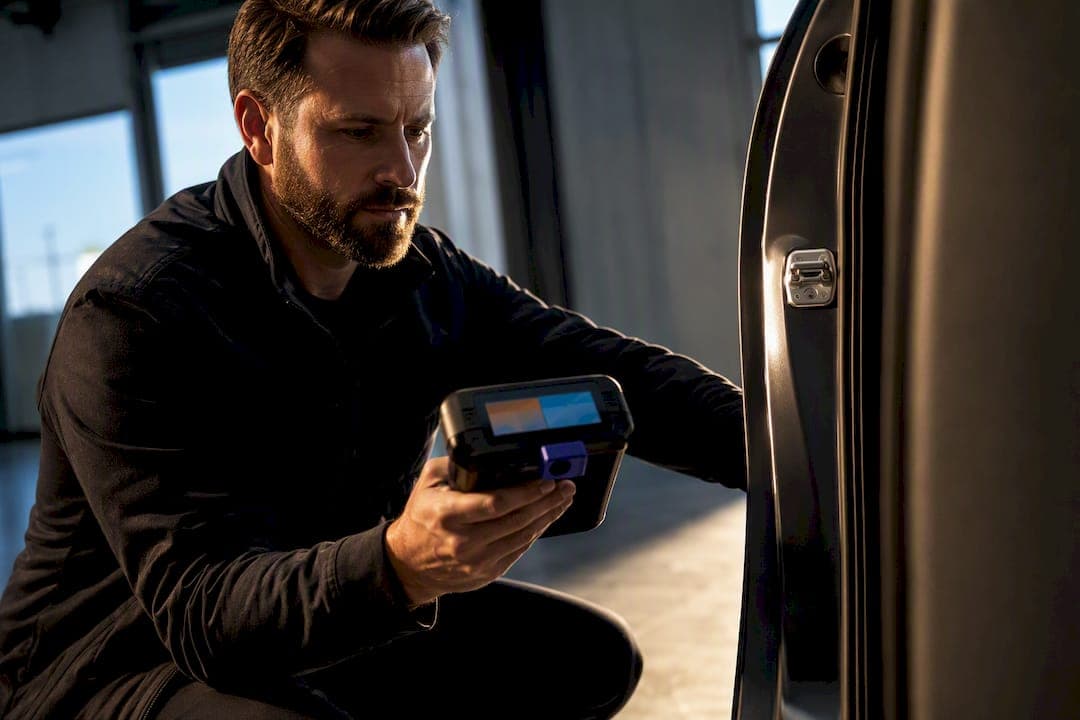
Inventory-based advertising delivers measurable ROI, but only when a dealership pairs it with sales match-back and clean feed data. The proof metric executives should demand isn't clicks or leads. It's cost-per-VIN sold, the number that ties ad spend directly to a unit that actually left the lot. Without VIN-level attribution and real-time feed hygiene, ROI claims from any vendor are just marketing.
TL;DR:
- Successful inventory-based advertising requires VIN-level attribution and real-time feed hygiene to ensure ROI claims are accurate and trustworthy.
- The key metric for measuring profitability is cost-per-VIN sold, which directly links ad spend to units that leave the lot, often in the $15 to $45 CPL range depending on market conditions.
- A minimum of 30 to 50 tracked conversions within 60 days is necessary before scaling campaigns or relying on bidding algorithms for optimal results.
- Feed quality controls, such as timely suppression of sold units and daily price-sync checks, are crucial to prevent advertising stale or incorrect inventory, which damages trust and efficiency.
- Independent measurement and regular audit of match-back data are essential to confirm true ROI, especially when vendor reports may be biased or inconsistent.
Table of Contents
- Minimum Metric Set: The KPIs That Tie Inventory Ads to Profit
- How Inventory-Based Campaigns Produce ROI: Mechanisms and Benchmarks
- Practical Measurement and Attribution: Matching Ads to Sold VINs
- Operational Controls and Feed Hygiene: Autoroiq's Non-Negotiables
- Executive Checklist and Decision Framework: 30/60/90 Milestones
- Autoroiq's Executive Note on Vendor-Agnostic Measurement
- Get an Independent Read on Your Inventory Ad ROI
- Sources
Minimum Metric Set: The KPIs That Tie Inventory Ads to Profit
Most dealership marketing reports are built to flatter the vendor, not inform the general manager. Five metrics cut through that noise and connect ad spend to actual profit.
- Cost-per-VIN sold: total inventory ad spend divided by the number of units from that campaign confirmed sold via match-back.
- Lead-to-sold rate: the percentage of leads that convert to a signed deal, not just a phone call or form fill.
- VDP views: vehicle detail page visits attributed to the ad, showing whether the creative actually drove interest in a specific unit.
- Cost-per-lead (CPL): spend divided by raw lead volume, useful but incomplete on its own.
- Front-end gross per sold unit: gross profit generated per vehicle, which reveals whether cheap leads are actually profitable ones.
Here's a worked example. A dealership spends $6,000 on a dynamic inventory campaign in a month and sells 24 units traced back through CRM tagging. That's $250 cost-per-VIN sold, a number that means something to a controller in a way "312 clicks" never will.
Pro Tip: Before approving any ROAS or target-ROAS bidding strategy, confirm the campaign has logged at least 30 to 50 tracked conversions in the lookback window. Bidding algorithms starved of conversion data optimize toward noise, not sales.
Raw lead counts mislead budget decisions because a campcampaign can generate huge lead volume with a terrible lead-to-sold rate.
How Inventory-Based Campaigns Produce ROI: Mechanisms and Benchmarks
Inventory feeds work because they replace generic messaging with a specific vehicle, price, and photo matched to buyer intent at the moment of the search or scroll. That relevance shows up directly in performance data. Dynamic inventory advertising delivers 30 to 50% higher click-through rates and reported 5 to 8x ROI improvements compared to generic messaging, and that lift correlates with lower CPL and stronger match-back reporting.
Platform-level benchmarks back this up. Google Vehicle Ads and other inventory-fed formats typically post lower CPC and lower CPL than standard search, with well-optimized campaigns landing CPL in the $15 to $45 range depending on the performance tier and market. Dealers running feed-based campaigns on other platforms report similar lead-volume gains, with some vendor case summaries citing lead increases up to 68% alongside sales uplifts in the low double digits.
- Aged inventory over 60 days on lot sees the sharpest ROI lift from targeted inventory ads.
- High-turn used vehicles benefit from continuous feed refresh and price-sync accuracy.
- VDP recovery campaigns, retargeting shoppers who viewed a page but didn't convert, tend to produce the highest lead-to-sold rate of any inventory tactic.
Per-VIN creative volume matters more than most marketing directors assume. VIN-level analytics and per-VIN budget allocation can cut per-VIN marketing cost substantially and accelerate days-on-lot reductions, because spend follows the units that actually need to move rather than getting spread evenly across a feed.
Practical Measurement and Attribution: Matching Ads to Sold VINs
Proving ROI requires connecting an ad impression to a signed deal, not just a lead. That connection is called sales match-back, and it takes a specific sequence to build correctly.
- Capture VIN at every lead touchpoint, form fill, chat, and phone call, so the CRM record ties to a specific vehicle from the first contact.
- Tag CRM records with the originating campaign and channel, ideally through UTM parameters or a dedicated source field.
- Upload offline conversion data (sold deals) back to the ad platform on a consistent schedule, typically weekly.
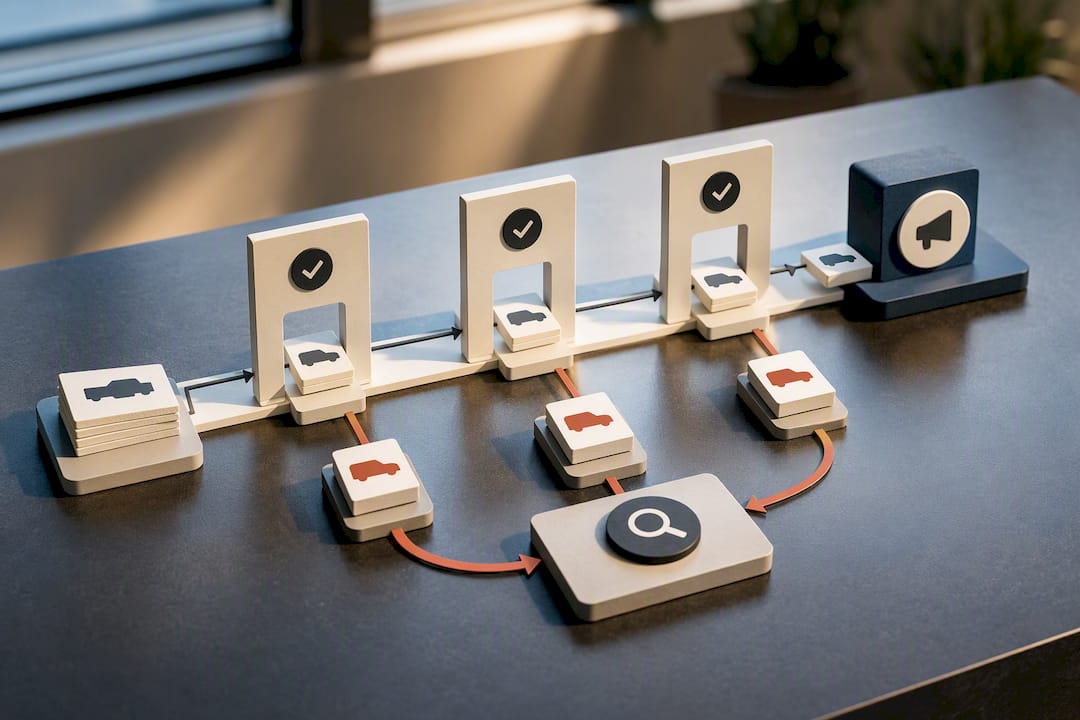
- Reconcile sold VINs against the feed to confirm the unit was actually part of the advertised inventory set.
- Set a lookback window matched to your actual sales cycle, usually 30 to 60 days for used vehicles, longer for special-order units.
Pro Tip: Multi-touch attribution sounds more sophisticated than last-click, but most dealerships lack the conversion volume to make it statistically reliable. Start with last-click match-back and layer in multi-touch only after you have consistent monthly deal counts above 50.
The most common mistake is relying on form-fill counts as a proxy for sales impact, while ignoring whether the BDC actually followed up on those leads. A dealership can run a flawless inventory campaign and still show poor ROI if follow-up response time lags. Review match-back reports weekly, and build one dashboard that shows cost-per-VIN sold trended month over month, not just campaign-level clicks and CPL.
Operational Controls and Feed Hygiene: Autoroiq's Non-Negotiables
Feed hygiene isn't a marketing nicety. It's the operational foundation that determines whether inventory ad spend is defensible at all. A handful of standards are considered non-negotiable during any vendor review.
- Real-time suppression of sold units, so the dealership never pays to advertise a car that's already gone.
- Price-change sync between the dealer management system and every ad platform feed, checked daily.
- Image and VIN accuracy audits, catching mismatched photos before they reach a buyer's screen.
- A documented creative rotation schedule so aged units don't run stale ads for weeks at a time.
Pro Tip: Ask any vendor exactly how many hours pass between a sold unit hitting your DMS and that unit disappearing from every ad feed. If they can't answer in hours, assume it's days, and assume you're paying for it.
Stale inventory ads create more than wasted spend. Advertising a vehicle that's already sold, or at the wrong price, creates customer trust problems and can draw regulatory scrutiny in some states. Vendor performance reports should be reviewed specifically for these gaps, because vendor-supplied dashboards rarely flag their own feed failures.
Executive Checklist and Decision Framework: 30/60/90 Milestones
Before scaling an inventory-based campaign, confirm three prerequisites: CRM integration capable of VIN-level tagging, feed access for the marketing team or advisor, and a monthly budget large enough to generate at least 30 tracked conversions within 60 days.
- Day 30: Confirm feed hygiene is functioning, sold units suppress within 24 hours, and VDP view tracking is live.
- Day 60: Review cost-per-VIN sold and lead-to-sold rate against the dealership's overall marketing ROI baseline. Expect early volatility, not a stable trend yet.
- Day 90: Evaluate whether cost-per-VIN sold has stabilized or improved. If it hasn't, ask the vendor for their attribution methodology and data access terms in writing.
Ask every vendor and internal owner the same three questions: what attribution method backs their reported numbers, how often the feed refreshes, and how creative volume scales with inventory age. If a vendor can't answer clearly, that's a go/no-go signal to reallocate the budget elsewhere.
Autoroiq's Executive Note on Vendor-Agnostic Measurement
Vendor reports are built by the people whose revenue depends on you believing them. That's not a criticism of any single provider. It's the structural reason independent measurement exists. Autoroiq doesn't sell advertising, so our recommendations carry no incentive to inflate a channel's performance. Before approving a meaningful budget increase on any inventory campaign, require VIN-level match-back data your own team can verify, not a summary slide from the vendor selling you the media.
— AutoROIQ
Get an Independent Read on Your Inventory Ad ROI
There are services giving dealership executives a way to settle vendor disputes with data neither side controls. When two platforms both claim credit for the same sold unit, or a vendor's dashboard shows numbers that don't match your own CRM, an independent audit resolves it faster than another round of vendor calls. That's the real advantage over vendor-managed reporting: nobody grading their own homework.
Advisory engagements can set up VIN-level match-back, audit current feed hygiene against the standards outlined above, and deliver an executive scorecard that finance teams can defend in budget meetings. If your dealership is weighing a larger commitment to inventory-based campaigns, or already suspects a vendor's ROI numbers don't add up, start with an independent marketing intelligence review before increasing spend.
Sources
- Dealership inventory feed marketing strategy - 9 Clouds
- Google Car Leads: 2026 Guide for Auto Dealers